
Now Reading: How to Spot a Fake PanOxyl Acne Foaming Wash? 12 Signs to Watch For
-
01
How to Spot a Fake PanOxyl Acne Foaming Wash? 12 Signs to Watch For

This post may contain affiliate links. Please read our full disclosure here.
PanOxyl Acne Foaming Wash is one of the most trusted and widely used over‑the‑counter acne treatments on the market—especially the 10% benzoyl peroxide version. Because it’s a regulated OTC drug rather than just a cosmetic cleanser, authenticity matters. Unfortunately, the product’s popularity has also made it a target for counterfeiters.
Fake PanOxyl washes aren’t just ineffective—they can contain unknown and unsafe chemicals, unstable formulas, and unhygienic manufacturing contaminants. That’s why being able to identify the real product is essential for skin safety.
Based on regulatory standards, packaging differences, and real user reports, here are 12 clear signs to help you identify whether your PanOxyl Acne Foaming Wash is genuine or fake.
12 Signs to Spot a Fake PanOxyl Acne Foaming Wash
Over time, I’ve learned that spotting a counterfeit isn’t just about glaring mistakes. Sometimes, the differences are subtle — a slightly different tube opening, a strangely thin consistency, or a missing security detail. Each of the signs below comes from real experiences and verified product standards, so you can confidently assess the product you’re using.
1. Where You Bought It Matters More Than You Think
PanOxyl only works with a select list of authorized pharmacies and retailers. When a listing feels sketchy — a random marketplace seller or a deep price drop — I take that as a potential warning. I once saw a fake being sold for just a tiny bit cheaper than usual, clearly attempting to blend in.
That little doubt at checkout? It’s usually there for a reason.
2. No Transparency Code? That’s a Problem
Some PanOxyl products now include a unique transparency code — a clever move to fight counterfeits. When I scan this code using the Amazon app, I expect instant confirmation.
If the app can’t verify it — or the code seems mismatched — that alone would make me return the product.
3. Batch Code Confusion
I always check the batch number and expiration date in two places:
- The top crimp of the tube
- The bottom of the box
Both should match and look clean, not smeared or “re‑printed.” If they don’t match, it could mean a real box was filled with a fake product — something counterfeiters commonly do.
4. The Packaging Just Feels… Off
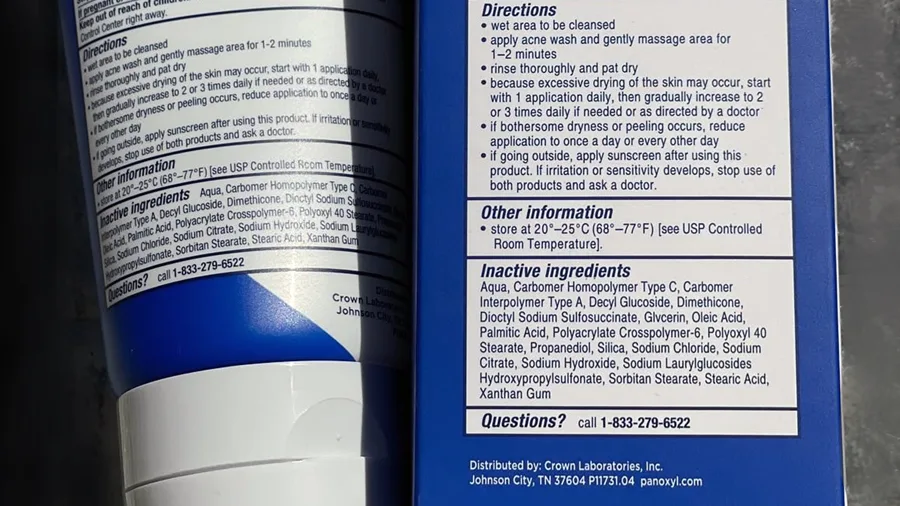
We’re all used to polished packaging now. Medical‑grade products like PanOxyl simply don’t come with blurry text, uneven font sizes, or odd color differences.
And grammatical mistakes? That’s an instant no from me. No regulated drug brand would let that slip.
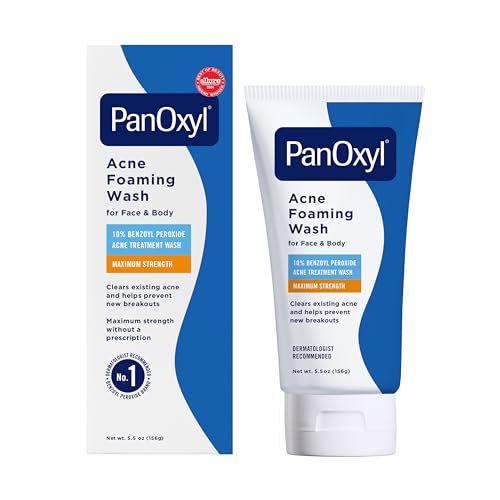
5. A Surprising Way to Spot a Fake: The Nozzle
Believe it or not, the nozzle design has become one of the most reliable clues. The authentic version has a slightly narrow, protruding tip, which makes sense for a thicker wash.
Counterfeits often cut corners and use a wider, flatter, cheaper tube — the kind meant for budget gels.
Whenever I open a new tube, this is the first thing I look at.
6. When the Texture Doesn’t Match Expectations
PanOxyl’s formula is engineered to be thick, creamy, and stable so the benzoyl peroxide stays evenly dispersed.
If it starts running like diluted shampoo or separates into watery and chunky layers… that’s a major red flag.
It should never feel cheap or flimsy.
7. The Signature Scent is Missing
I expect a faint bleach‑like smell — that’s benzoyl peroxide working. But when a product smells like white glue, rubber, or nothing at all… I question whether the active ingredient is even present.
The scent shouldn’t be strong, but it definitely shouldn’t be absent.
8. When the Color Doesn’t Look Right
PanOxyl should be perfectly opaque and consistently white. Yellowing, transparency, or oil pockets tell me the formula wasn’t manufactured properly.
Poor stability = poor performance.
9. No Sensation at All? Suspicious.
Real 10% benzoyl peroxide rarely feels neutral. For me, there’s always a mild tingle or slight dryness.
If the product feels like a gentle lotion — with zero signs of its acne‑fighting strength — I can’t trust it.
(Just to be clear: extreme burning is also a huge warning — and likely a sign of contamination.)
10. The Fabric Test Never Fails
This is honestly one of my favorite quick checks.
Benzoyl peroxide is known to bleach fabrics. That’s why brands always recommend using white towels. So when I notice colored towels looking perfectly fine after weeks of use… it’s almost guaranteed the formula isn’t real.
Simple test. Clear results.
11. Zero Progress on Acne
Even the most stubborn acne usually responds to PanOxyl after 4–6 weeks. If breakouts persist or worsen — not in a “purging” way — the active ingredient might be diluted or totally absent.
A product that doesn’t help at all isn’t worth the risk.
12. Strange or Severe Reactions
Dryness and flaking are expected. But if I ever saw swelling, blisters, or hives, I would stop immediately.
Extreme reactions may point to contaminated or harmful fillers — something counterfeiters sadly use.
Your skin deserves better than mystery chemicals.
Final Thoughts
Detecting a fake PanOxyl Acne Foaming Wash isn’t about being paranoid — it’s about being informed. When a product is regulated as a drug and used to treat something as sensitive as acne, authenticity truly matters.
Here’s what I personally do every time:
- Stick to trusted retailers
- Inspect the nozzle, scent, and texture
- Perform the fabric bleaching test when in doubt
- Listen to my skin — it usually knows when something’s wrong
If even two or three signs from this list stand out, I would rather replace the product than take a chance.
Counterfeits profit off people desperate for skin relief, and that’s a line no one should cross.
Your skin isn’t just skin — it’s confidence, comfort, and health.
Choose the real thing. Stay aware. And always trust yourself when something feels off.