
Now Reading: My Honest Review of L’Occitane Shea Butter Soap Bar (2026)
-
01
My Honest Review of L’Occitane Shea Butter Soap Bar (2026)

This post may contain affiliate links. Please read our full disclosure here.
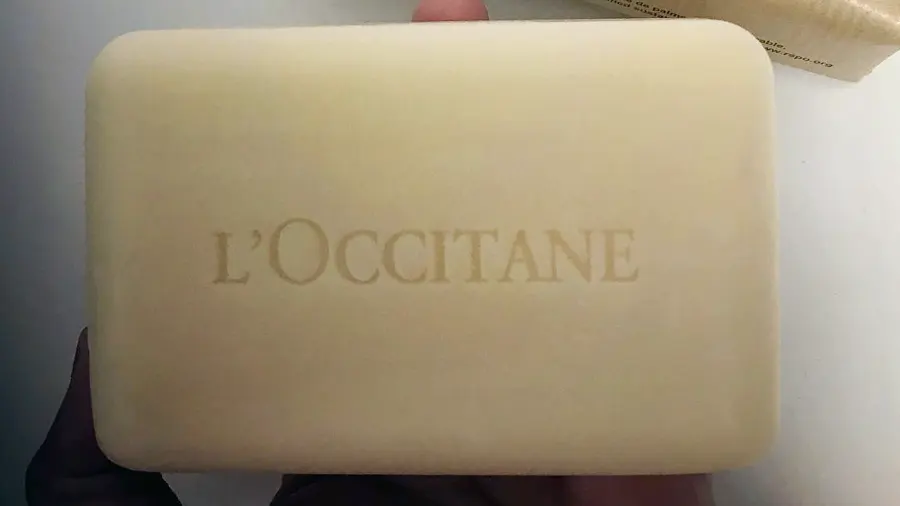
When it comes to luxury soaps, L’Occitane has always stood out as a brand synonymous with French artistry and natural indulgence. I’ve long associated their products with Provence’s lavender fields and the creamy richness of shea butter. So naturally, I was eager to try the L’Occitane Shea Butter Soap Bar, a product that promises both nourishment and a touch of French sophistication. Over time, I tested different variants of the collection—the Shea Milk, Shea Verbena, and Shea Lavender bars—to see how they performed across scent, texture, and overall experience. While some variants lived up to the brand’s impeccable reputation, others left me genuinely disappointed.
Packaging
The packaging reflects L’Occitane’s balance of elegance and simplicity. Each bar comes wrapped in minimalist brown paper, giving it a natural, eco-conscious appeal that avoids plastic entirely. I appreciate how the packaging feels both artisanal and environmentally responsible—it’s recyclable and minimal, yet distinctly luxurious. The presence of Braille lettering on the wrapper is another thoughtful touch, a detail that embodies the brand’s commitment to accessibility and inclusivity. This kind of subtle yet meaningful design choice is rare in skincare and gives L’Occitane an edge in both aesthetics and values.
Beyond its simplicity, the packaging also communicates sustainability. L’Occitane has been working toward making 100% of its packaging recyclable or compostable by 2025, and this soap is part of that initiative. The lack of unnecessary wrapping feels refreshing, especially for those who prefer reducing plastic waste in their daily routine.
Ingredients
Each variant of the Shea Butter Soap Bar has a slightly different formulation, but they all share the same foundation—Butyrospermum Parkii (Shea Butter). The shea butter used in these soaps is ethically sourced from women’s cooperatives in Burkina Faso, a longstanding L’Occitane initiative that supports fair trade and economic empowerment. This is one of the brand’s strongest commitments and gives real authenticity to its luxury status.
That said, the soap line has experienced a major formulation shift in recent years. The earlier Shea Milk Extra Rich Soap was made with a traditional palm oil base, including Sodium Palmate and Sodium Palm Kernelate—ingredients known for producing a dense, creamy, and stable lather. However, the newer “vegan” formula has moved away from palm oil entirely, using sunflower and coconut oils instead. While this change aligns with the brand’s sustainability goals, the difference in performance is noticeable. The newer formula produces a lighter, frothier lather that feels less luxurious than the original.
The Shea Verbena variant includes Lippia Citriodora Leaf Extract, which gives it a refreshing citrus tone, while the Shea Lavender bar features Lavandula Angustifolia Oil for a calming, soothing aroma. The Milk version adds Shea Milk and Sweet Almond Oil to enhance nourishment for dry or sensitive skin—at least in theory.
Scent
Scent is where these soaps truly shine—though not equally across all variants.
The Shea Lavender bar remains my favorite. Its scent is gentle, relaxing, and authentically floral, evoking the soft breeze of a lavender field in Provence. It lingers lightly on the skin without being overpowering. The Shea Verbena version comes a close second, with its bright, lemony freshness that energizes the senses and feels perfect for a morning shower.
However, the Shea Milk variant tells a different story. While the older formula was known for its soft, clean, and comforting scent, the newer version carries a more floral and synthetic tone that some might find cloying. On me, it was a bit too strong, especially for a bar marketed for sensitive skin. For something meant to be soothing, the fragrance felt a touch overwhelming.
Lather and Application
This is where my experience diverged sharply between variants. The Lavender and Verbena soaps create a beautifully creamy lather that spreads easily and feels silky on the skin. They glide smoothly without leaving a film, and even a small amount of water produces rich, stable foam. The bars themselves feel dense and long-lasting, which is what I expect from a premium soap.
In contrast, the Shea Milk bar (reformulated) was noticeably disappointing. Instead of a creamy foam, it produced a bubbly, unstable lather that dissipated quickly. It didn’t deliver that same luxurious texture that makes a L’Occitane soap special. This thin lather also made it harder to spread evenly, which ultimately took away from the overall bathing experience.
Effectiveness
Effectiveness varies across the variants as well. On my skin, both the Verbena and Lavender soaps left a soft, moisturized finish without any residue. They rinsed cleanly while still preserving the skin’s natural hydration—ideal for normal to dry skin types. After each use, my skin felt smooth and refreshed, and I didn’t feel the need to immediately apply lotion.
However, the Milk variant, ironically marketed for sensitive skin, didn’t live up to its name. After several days of use, I noticed a slight drying effect, particularly on my arms and legs. I later learned that many users had similar complaints—some even reported that the new formula made their skin feel tight and dehydrated. The discrepancy between the soap’s marketing and its actual results was disappointing, especially from a brand that prides itself on consistency and care.
Still, when it works, L’Occitane’s Shea Butter Soap delivers one of the most luxurious cleansing experiences among solid soaps. The nourishing shea butter content does make a difference in keeping the skin feeling pampered. It’s just unfortunate that not every version of the soap performs equally well.
Size and Lifespan
L’Occitane offers its Shea Butter Soap Bars in multiple sizes: 3.5 oz (100g), 8.8 oz (250g), and a smaller 1.7 oz travel size. I personally prefer the 8.8 oz size—it feels generous and lasts significantly longer than most commercial soaps. Even with daily use, the larger bar held its shape well and didn’t melt away quickly like some softer soaps. It’s also more economical in the long run, especially considering its premium pricing.
The smaller 3.5 oz bar, while charming and travel-friendly, tends to wear down faster. Because of the soap’s dense structure, it helps to store it in a dry soap dish between uses to extend its life. I found that the Lavender and Verbena variants maintained their integrity much better than the Milk one, which softened and shrank more quickly.
Brand Reputation
It’s hard to discuss L’Occitane without acknowledging its impressive brand reputation. Founded in 1976 by Olivier Baussan, the company has built its identity around authentic Provençal craftsmanship and sustainable luxury. Over the years, L’Occitane has earned respect not only for its elegant formulations but also for its ethical sourcing and social responsibility initiatives.
One of its hallmark programs supports women’s cooperatives in Burkina Faso, helping them produce fair-trade shea butter while empowering local communities. The brand has also been recognized as a Certified B Corporation, a status that verifies its commitment to meeting high standards of environmental and social accountability. However, one area that remains contentious is its animal testing policy. While L’Occitane does not test on animals directly, it sells in mainland China, where imported cosmetics may be tested by government authorities. This has led to the brand losing its cruelty-free certification from major organizations like PETA and Cruelty Free International. For consumers who strictly seek cruelty-free brands, this remains a sticking point.
Price and Value
L’Occitane sits comfortably in the premium price range. The 3.5 oz bar retails for about $11, while the 8.8 oz bar costs around $16. Compared to mass-market brands like Dove or Yardley, the difference is significant. But what you’re paying for is not just the soap—it’s the experience, the craftsmanship, and the ethical story behind it.
That said, the price feels justified only for the Verbena and Lavender variants, which truly deliver on quality and luxury. The Milk variant, unfortunately, doesn’t offer enough performance to warrant its cost. For a bar that claims to be gentle and moisturizing, its drying tendency makes it feel overpriced. If L’Occitane reverts to its original formula or enhances the current one, it might regain its worth in this regard.
Availability
L’Occitane’s soaps are widely available through its official website, brand boutiques, and select high-end retailers like Nordstrom. They’re also sold through online stores such as Amazon and FragranceNet, sometimes at a slight discount. However, given the existence of counterfeit or outdated stock online, I recommend purchasing from authorized retailers to ensure product authenticity and freshness.
Overall Rating
If I were to rate the L’OCCITANE Shea Butter Soap collection as a whole, I’d give it an 8.7/10 for the Lavender and Verbena variants—they’re indulgent, effective, and beautifully crafted. But the Shea Milk variant, sadly, only earns a 5.8/10 due to its disappointing reformulation and drying feel.
Overall, this line represents both the best and worst of L’Occitane: exceptional craftsmanship and ethical storytelling, but also the risks of prioritizing sustainability changes over performance. When it works, this soap feels like a slice of Provence luxury. When it doesn’t, it’s a reminder that even the most trusted brands can stumble. Still, for those who appreciate premium soaps and care about sustainability, the Lavender and Verbena bars remain truly worth the splurge.


L'Occitane Shea Butter Soap Bar
- Beautiful, sustainable packaging with Braille inclusion.
- Ethically sourced shea butter from women’s cooperatives in Burkina Faso.
- The Verbena and Lavender variants offer excellent scent and performance.
- Creamy, moisturizing lather (in non-reformulated variants).
- Long-lasting bar, especially in the 8.8 oz size.
- The Shea Milk variant’s new formula feels drying and lacks the creamy lather of the original.
- Premium pricing that may not feel justified for all variants.
- Brand’s cruelty-free status compromised due to China sales.
- Scent of the Milk variant can be overpowering for sensitive users.